Your PC is No Longer Yours: 5 Surprising Takeaways from the Windows 11 Privacy Crisis
Meta Description: Windows 11 has evolved from an operating system into a data-harvesting service. Discover how "Project K2," Recall AI, and a hidden performance tax are driving users toward Valve’s vision of Digital Sovereignty. SEO Keywords: Windows 11 telemetry, SteamOS vs Windows 11, Recall AI privacy, Valve Sovereign OS, Windows 11 performance tax, Project K2, digital sovereignty.
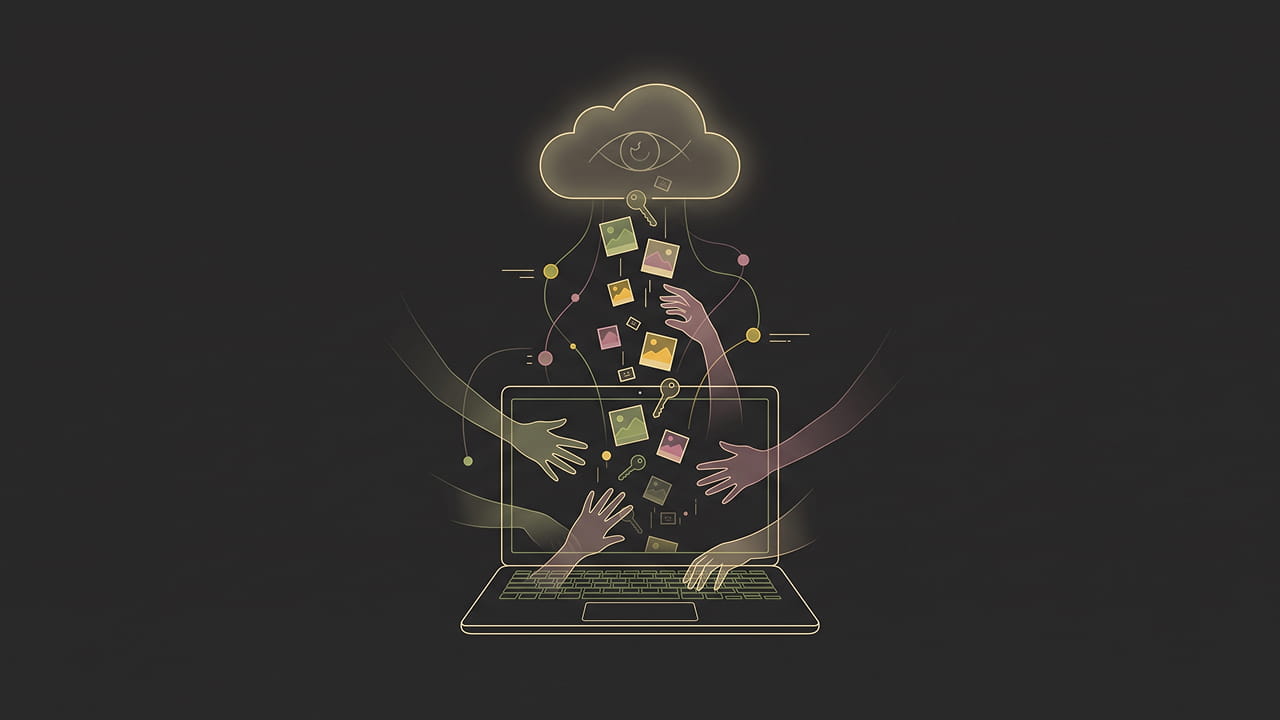
The 24-Hour Digital Wiretap
If you leave a "clean" Windows 11 machine sitting idle on a desk for just 24 hours, it doesn't actually stay idle. In a startling exposé by The PC Security Channel, researchers monitored a fresh installation—one with no user logged in, no third-party apps, and no web browser opened.
The result? The machine reached out to over 100 different servers, sending more than 3,000 telemetry pings in a single day.
This isn't merely "system maintenance." The pings connect to third-party ad networks and market research firms, many of which are unknown to the average consumer. For the modern user, the privacy settings toggle is a placebo; deep-level policy controls required to silence this data exfiltration are intentionally omitted from consumer versions of Windows. We are witnessing the death of user agency in favor of proprietary lock-in.
"It operates like a digital wiretap, reporting system metadata and tracking identifiers the second you turn your back."
Windows Recall: The "Witness" in Your Machine
Microsoft’s "Recall" feature represents an unprecedented shift toward what digital rights advocates call adversarial interoperability—where the OS works against the user's interests. By taking screen snapshots every few seconds, Recall builds a searchable, local database of your entire digital existence.
The Security Risk
Recall functions as an indiscriminate indexer. It captures sensitive data—including bank logins, private chats, and password manager pop-ups—regardless of the sensitivity. Despite Microsoft’s "sensitive data filter" promises, independent testers found the filter failed to catch numerous high-risk data points it was specifically built to hide.
The Privacy Promise vs. Reality
Microsoft insists the database is local-only, but security researchers have already demonstrated that early versions could be extracted with simple recovery tools. Furthermore, while the data is currently local, it represents a "Witness" that could be synchronized to the cloud with a single update—a move that would turn every PC into a permanent, searchable record for corporate or state surveillance.
The Hidden "Performance Tax" and Project K2
While Windows markets itself as the premier gaming platform, it imposes a significant performance tax. For gamers, the critical metric is the 1% lows—the stutter-inducing frame drops that ruin immersion. Testing reveals that on identical hardware, Linux-based systems like Bazzite consistently deliver 1% lows that are 15% to 20% higher than Windows 11.
This performance gap is the direct result of the telemetry pings and background services we’ve identified. This crisis of efficiency has triggered an internal panic at Microsoft known as Project K2. Named after the world’s most difficult mountain to climb, Project K2 is an admission of failure organized around three pillars:
- Performance: Reclaiming lost frames and system efficiency.
- Reliability: Reducing OS crashes and background conflicts.
- Craft: Cleaning up the visual and operational "clutter."
Microsoft is finally trying to fix the bloat, but only because they see their core audience—power users and gamers—escaping to more efficient alternatives.
The Death of the Anti-Cheat Barrier
For years, the "glass ceiling" for leaving Windows was multiplayer gaming. Proprietary anti-cheat software like Epic’s Easy Anti-Cheat (EAC) and BattlEye effectively held users hostage. If you wanted to play Apex Legends or Halo Infinite, you stayed on Windows.
That barrier has collapsed. A coordinated, decade-long engineering effort by Valve has brought Linux support to these anti-cheat giants. Through compatibility layers like Proton, the landscape has inverted: older PC games from the 2000s often run more reliably on Linux than they do on Windows 11, which frequently breaks due to legacy launcher conflicts. The technical reason to remain within the Microsoft ecosystem has largely evaporated.
Valve’s 10-Year "Sovereign OS" Bet
While Microsoft focuses on "renting access" through subscriptions like Game Pass and the cloud-centric Project K2 transition, Valve has been building a Sovereign OS. A Sovereign OS is defined by hardware ownership, local data control, and the absence of mandatory subscriptions.
The Silent Build
Valve used the Steam Deck as a delivery vehicle for this ideology. While competitors like the ASUS ROG Ally or MSI Claw cost nearly double ($700+) and struggle with Windows-bloat battery drain, the $399 Steam Deck has moved 4 million units—roughly half the entire handheld market.
The Rise of the 5%
Linux usage on Steam officially crossed the 5.33% threshold. This represents 6 million monthly active gamers—a population larger than that of Denmark—who have moved their primary computing to an open-source platform. This isn't a niche hobby anymore; it’s a mass migration.
Paradigm Shift: Windows vs. Linux
| Feature / Metric | Microsoft Windows 11 (PC as a Service) | Valve / Linux Ecosystem (Sovereign OS) | | --- | --- | --- | | Idle Telemetry | 3,000+ pings to 100+ servers per day | User-controlled; minimal to none | | Gaming Performance | Lower 1% frame lows due to background bloat | 15% to 20% higher 1% frame lows (Bazzite) | | Data Privacy | Mandatory AI tracking features (Recall) | Local data control; absolute privacy | | Handheld Hardware Cost | $700+ (Windows-based handhelds) | $399 (Steam Deck) | | User Agency | Forced cloud logins and updates | Total user ownership and choice |
Conclusion: The Choice is Yours (For Now)
The technology industry is split between two irreconcilable ideologies. Microsoft offers the PC as a Service, where your actions are logged for AI training and your hardware is a gateway to a subscription. Valve and the Linux community offer the Sovereign OS, where the PC remains a tool under the total control of the user.
Every time Microsoft patches out a workaround to sign in without an internet connection, they are closing the cage. Every time you consider a Steam Deck or a Linux desktop, you are exploring the exit. The question is no longer whether Windows is changing—it is whether you will still own your machine when the transition to "PC as a Service" is complete. Your next hardware purchase isn't just about specs; it’s a vote for your digital sovereignty.